-RGB.jpg?w=1413&h=279)
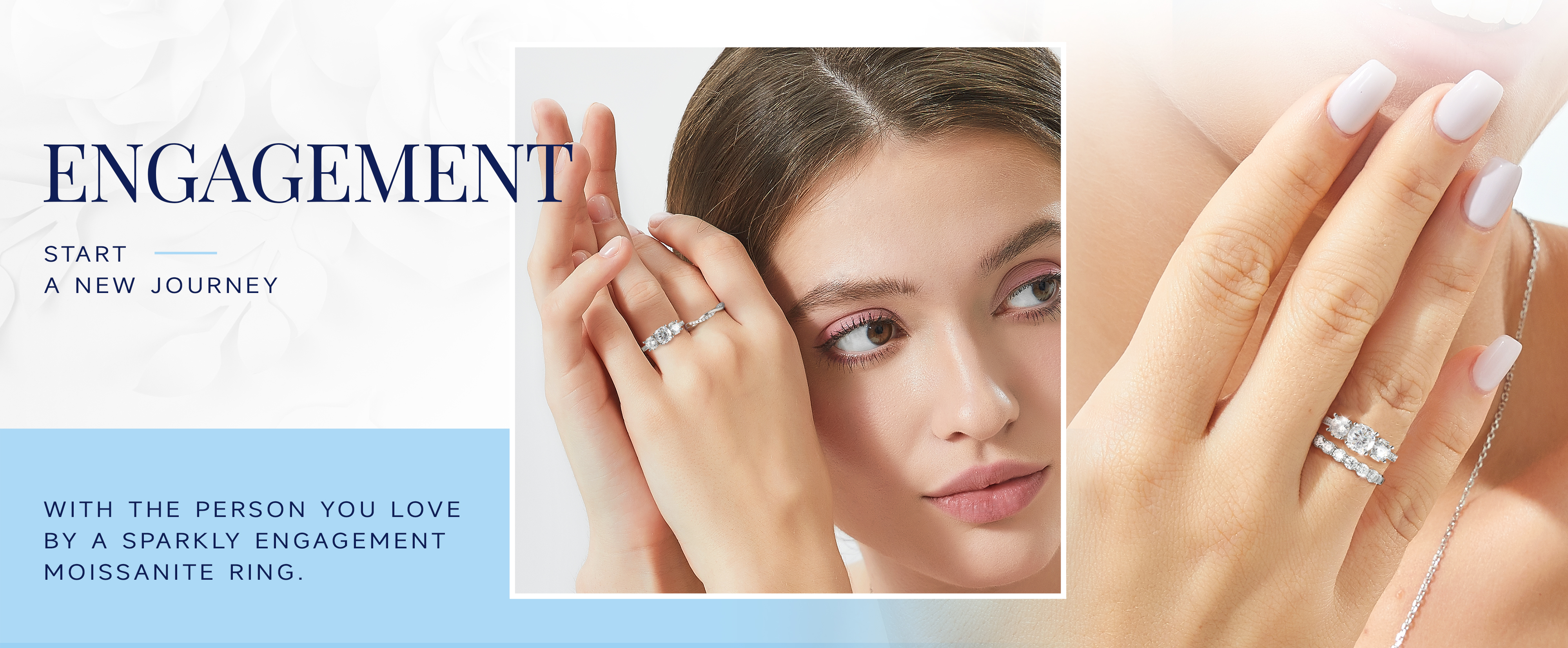
Shopping for an engagement ring should be exciting. Unfortunately, figuring out the budget can feel overwhelming.
You've probably heard conflicting advice when asking how much should an engagement ring cost. Maybe someone mentioned the "three months' salary" rule. Or you've seen prices that made your jaw drop.
The truth is, the right amount to spend on an engagement ring depends entirely on your financial situation, your partner's preferences, and what feels meaningful to both of you.
In this guide, we'll break down current engagement ring costs, debunk outdated spending rules, and share smart strategies to find a stunning ring that fits your budget. We'll also explore how modern options like moissanite rings and lab grown diamond engagement rings are helping couples get more sparkle for their money.
Forget the "Three-Month Salary Rule" for Engagement Rings
So, how much should a proposal ring cost? Before we dive into budgeting strategies, let's address the elephant in the room.
This "rule" originated from a De Beers diamond company marketing campaign in the 1930s. During the Great Depression, diamond sales plummeted. In response, De Beers launched ads suggesting that a diamond ring proved true love, and that buyers should spend one month's salary to prove it.
Over the decades, clever marketing bumped that recommendation to three months. In reality, it was always about selling more diamonds—not about love, not about what's right for your relationship.
Of course, today's financial landscape looks nothing like those from decades past. Modern couples must deal with:
-
-
Student loan debt
-
High cost of living in major cities
-
Wedding expenses (averaging over $30,000)
- Home savings
- Rent and living expenses
- Financial independence
-
So, spending three months' salary on a ring for someone earning $60,000 annually amounts to $15,000. For most people, that's not romantic. In fact, it's downright financially irresponsible.
The takeaway: Ignore this outdated rule. Spend what makes sense for your unique situation.
How Expensive Should an Engagement Ring Be? Setting Your Budget
So if there's no magic formula, how do you decide what to spend? Start by asking yourself a few key questions.
Consider Your Current Financial Situation
Begin with an honest assessment:
-
-
What are your monthly expenses?
-
Do you carry debt (credit cards, student loans, car payments)?
-
Can you comfortably afford this purchase without going into debt?
-
Again according to The Knot, one in three ring buyers goes into debt to purchase an engagement ring. Some great advice: Don't become part of that statistic. Your partner wants to marry you, not your debt.
On a more positive note, though, most couples take their time. About 50% spend 3-6 months researching rings, then purchase about two months before proposing. This timeline gives you breathing room to save without financial pressure.
Think About Long-Term Financial Goals
Remember, an engagement ring is just the beginning. Consider what else lies ahead:
-
-
Wedding costs
-
Honeymoon expenses
-
House down payment
-
Starting a family
-
Emergency savings
-
The ring serves as a symbol. Your financial future together, however, is tangible and lasting.
Know Your Partner's Expectations
To most people, this conversation matters more than preserving any sort of surprise. To that point, it’s a good idea to discuss:
-
-
Ring style preferences
-
Stone options (diamond, lab-grown diamond, moissanite)
-
Metal preferences (white gold, yellow gold, platinum, rose gold)
-
What "must-haves" vs. "nice-to-haves" look like
-
Interestingly, nearly 80% of people being proposed to are involved in selecting or purchasing the ring. Even so, most still report that the proposal itself was a surprise.
Ultimately, shopping together doesn't ruin the moment. Instead, it ensures your partner gets a ring they'll genuinely love wearing every day.
Remember: Stone Size Isn't Everything
Another important thing to remember is that bigger carat weight doesn't automatically equal a better ring.
Many couples prefer:
-
-
Unique custom designs that reflect their story
-
Heirloom pieces passed down through family
-
"Starter rings" with plans to upgrade for a future anniversary
-
Colored gemstones instead of traditionally-colored stones
-
To most couples these days, personalization and meaning beat size every time.

What Should an Engagement Ring Cost? Smart Shopping Strategies
Now for the practical advice—how to maximize your budget without sacrificing beauty or quality.
Consider Lab-Grown Diamonds or Moissanite
This is where modern couples are making particularly smart choices.
Lab-grown diamonds are chemically, physically, and optically identical to mined diamonds. They're simply created in a lab instead of extracted from the earth. The key difference is they cost 50-70% less than mined diamonds.
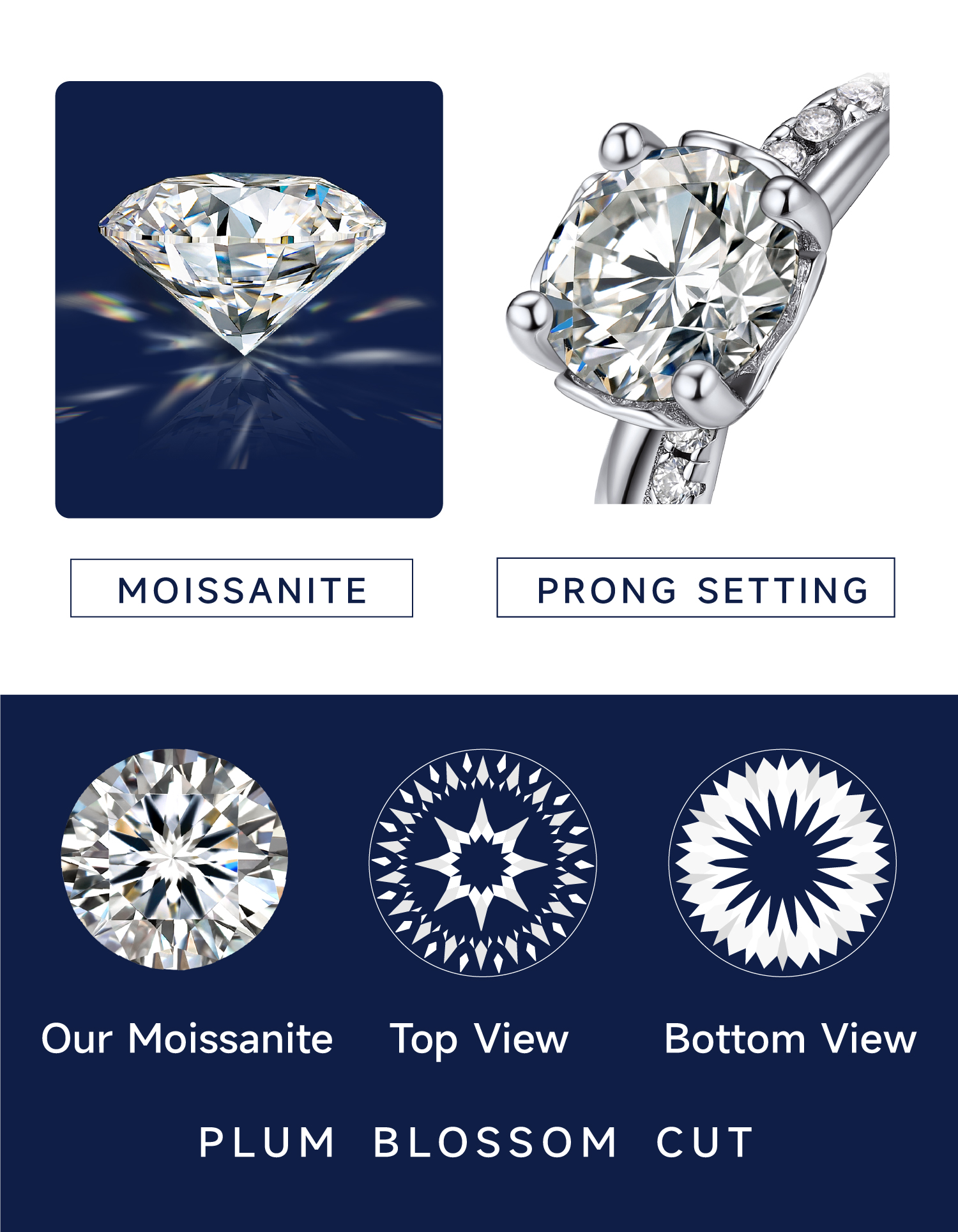
Moissanite offers an even more compelling option. This lab-created gemstone actually produces more fire and brilliance than diamond. It ranks 9.25 on the Mohs hardness scale (diamond is 10), making it incredibly durable for everyday wear. Even better, moissanite costs a fraction of diamond prices (but we’ll take a closer look at moissanite in a bit).
Today's couples aren't choosing these options because they "can't afford diamonds." They're choosing them because they're ethical, sustainable, and financially smart. The money saved can fund your honeymoon, wedding, or first home together.
Prioritize the 4Cs Strategically
When shopping for engagement ring stones (mined or lab-grown), four factors determine price: cut, color, clarity, and carat.
Always invest in: Cut quality. This is what makes a stone sparkle and creates visual impact.
Where to save money:
-
-
Color: G or H grades appear colorless to the naked eye but cost significantly less than D-F grades
-
Clarity: VS2 or SI1 grades have no visible inclusions yet cost less than flawless stones
-
Carat: Apply the "buy shy" strategy mentioned above
-
For context, the average engagement ring in the US features a 1.0-1.2 carat center stone. However, there's no "right" size—only what works for your budget and your partner's preferences.
Choose Your Metal Wisely
The metal you select for the setting affects both upfront cost and long-term maintenance.
Platinum looks nearly identical to white gold but costs significantly more. Why? It's rarer and more durable. On the positive side, it's naturally white and hypoallergenic, requiring minimal maintenance over time.
White gold offers a similar aesthetic at a lower price point. The tradeoff is it's yellow gold plated with rhodium, which wears off gradually. You'll need replating every 1-3 years (typically $50-$150 each time).
Factor these long-term maintenance costs into your decision. Sometimes paying more upfront saves money over the ring's lifetime.
Want more details? Check out our guide on how to clean and care for white gold rings.
Typical Engagement Ring Price: Why Moissanite Makes Sense for Modern Couples
But let's zoom in on why moissanite has evolved from "diamond alternative" to the best first choice for many—maybe even most—couples today.
Simply put, moissanite is a lab-created gemstone made of silicon carbide. Remarkably, it produces more fire (rainbow sparkle) than diamonds. Other significant factors in choosing moissanite over other stones:
-
-
Durability: At 9.25 on the Mohs hardness scale, moissanite is incredibly scratch-resistant. Only diamond (at 10) is harder. For comparison, sapphires rank 9.
-
Cost: Moissanite costs a fraction of diamond prices—even less than lab-grown diamonds. This price difference frees up your budget for other priorities.
-
Ethics: Every moissanite is guaranteed conflict-free and environmentally sustainable. There's no mining involved, no questionable supply chains, no ethical gray areas.
-
Appearance: To most people, moissanite is indistinguishable from diamond. In fact, many prefer its extra sparkle and fire.
-
Today's couples, especially millennials and Gen Z, aren't compromising when they choose moissanite. They're making a conscious decision to prioritize value, ethics, and financial flexibility.
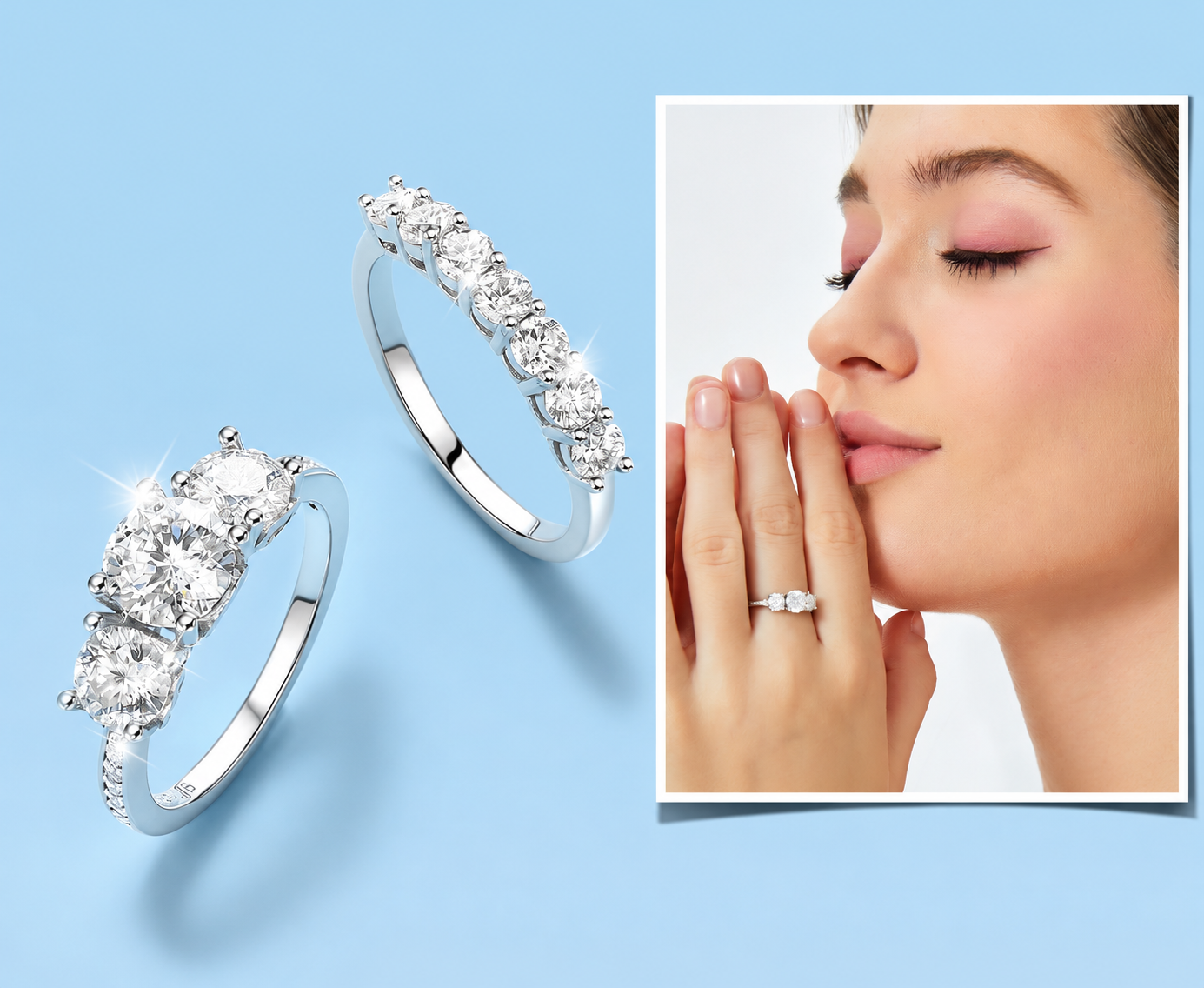
Using MomentWish as an example, we specialize in moissanite engagement rings that rival any diamond in beauty—from solitaire moissanite rings to halo designs to three-stone settings and more.
Spend What Feels Right for Your Love Story
Here’s the bottom line when asking how much should an engagement ring cost—the best engagement ring is one that:
-
-
Fits comfortably within your budget
-
Reflects your partner's personal style
-
Symbolizes your commitment to each other
-
Don't let societal pressure, marketing tactics, or family opinions dictate your choice.
The proposal, the partnership, and the life you're building together matter infinitely more than the price tag on a ring. Focus on quality over size. Meaning over money. Love over luxury.
FAQ: How Much Should an Engagement Ring Cost?
Is a 2 carat ring considered big?
Yes, a 2-carat ring is above average and makes a noticeable statement. The typical engagement ring in the US features a 1.0-1.2 carat center stone, so 2 carats is roughly twice the average size. Perceived size also depends on the stone's cut, setting style, and your partner's hand size.
How much should I spend on an engagement ring if I make $100,000 a year?
You should spend based on your complete financial picture, not your salary. Consider your existing debt, monthly expenses, wedding costs, and other financial goals rather than following outdated salary-based formulas.
How much should a man spend on an engagement ring?
The right amount is what the purchaser can comfortably afford, regardless of gender. Many modern couples make this decision together based on shared financial goals and priorities.
What's the difference between lab-grown diamonds and moissanite?
Lab-grown diamonds are real diamonds created in a laboratory with the same chemical composition as mined diamonds, while moissanite is a different gemstone (silicon carbide) that's also lab-created. Moissanite has more fire (rainbow sparkle) than diamonds and is slightly less hard (9.25 vs. 10 on the Mohs scale), but it's still extremely durable and typically costs less. Learn more in our detailed comparison: moissanite vs lab diamond.
Should I go into debt to buy an engagement ring?
No, you should not go into debt to buy an engagement ring. Starting your engagement with ring-related debt creates unnecessary financial stress. If you can't afford your ideal ring right now, consider saving longer, choosing moissanite or a lab-grown option, purchasing a "starter ring" to upgrade later, or working with a jeweler to design a custom ring within your current budget.